When it comes to growing healthy, happy plants, we often focus on sunlight, watering, and fertilizer — but there’s one crucial factor that often gets overlooked: the pot itself.
Choosing the right plant pot isn’t just about looks. It directly affects how well your plant’s roots develop, how much moisture it retains, and how healthy it stays over time. The wrong pot can lead to overwatering, root rot, or stunted growth — even if you’re doing everything else right.
Here’s a simple guide to help you choose the right pot for your plants — one that balances both style and function.
1. Understand the Role of a Plant Pot
A pot is much more than a container; it’s your plant’s entire world. It provides:
- Support: A stable base for the roots to anchor.
- Drainage: A way for excess water to escape.
- Breathability: Airflow that prevents the roots from suffocating.
- Space: Enough room for roots to grow and expand.
If any of these are missing, your plant may struggle no matter how well you care for it.
2. Pick the Right Size
Size is the first and most important factor.
- A pot that’s too small can restrict root growth, causing your plant to dry out quickly and become root-bound.
- A pot that’s too large holds excess water and increases the risk of root rot.
The rule of thumb:
When repotting, choose a pot that’s about 1–2 inches larger in diameter than your current one. For fast-growing plants, you can go slightly bigger; for slow growers, keep it closer in size.
Tip: Check the drainage holes — they should allow water to escape easily but not let the soil fall through.
3. Choose the Right Material
Each pot material affects water retention, temperature, and breathability differently. Here’s what to know about the most common ones:
Terracotta (Clay Pots)
- Pros: Porous and breathable; helps prevent overwatering.
- Cons: Dries out quickly; heavier and fragile.
- Best for: Succulents, cacti, and plants that prefer dry soil.
Ceramic Pots (Glazed)
- Pros: Stylish, retains moisture longer.
- Cons: Less breathable; heavy.
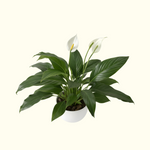
- Best for: Indoor plants that like consistent moisture (Peace Lily, Ferns, etc.).
Plastic Pots
- Pros: Lightweight, affordable, holds moisture well.
- Cons: Less airflow for roots.
- Best for: Beginners or plants that need evenly moist soil.
Metal Pots
- Pros: Modern look, durable.
- Cons: Can heat up quickly in sun and may rust.
- Best for: Indoor décor or as outer covers (use a plastic liner inside).
Fabric Grow Bags
- Pros: Excellent drainage and air circulation.
- Cons: Dry out faster; not ideal for indoor décor.
- Best for: Outdoor vegetables or balcony gardens.
4. Prioritize Drainage
Good drainage is the foundation of healthy root growth. A pot must have at least one hole at the bottom. Without it, water collects, suffocating roots and leading to rot.
If your decorative pot doesn’t have drainage holes, you can:
- Place your plant in a smaller nursery pot with holes, then set it inside the decorative one.
- Add a layer of pebbles or stones at the bottom to improve drainage.
- Drill holes if the material allows it.
Pro tip: Use saucers or trays under pots to catch excess water, but remember to empty them regularly.
5. Match the Pot to the Plant’s Needs
Every plant has its preferences. Matching the pot to the plant type ensures it gets the right balance of air, moisture, and space.
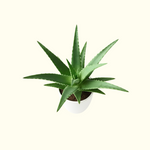
- Succulents & Cacti: Prefer shallow, wide terracotta pots that dry quickly.
- Tropical Plants: Thrive in deeper pots that retain some moisture.
- Trailing Plants (like Pothos): Look great in hanging pots or tall planters.
- Herbs & Vegetables: Do well in fabric grow bags or deep planters that allow space for roots.
Think of your pot as part of the plant’s habitat — it should mimic its natural growing conditions as closely as possible.
6. Think About Pot Aesthetics (But Don’t Compromise on Function)
Of course, pots also shape the visual mood of your home or garden. Choose colors and textures that complement your space:
- Minimal homes: Matte ceramics, neutral tones.
- Boho or natural spaces: Woven baskets, terracotta, or jute covers.
- Modern interiors: Metallics, sleek black or white finishes.
However, always ensure that beauty doesn’t come at the cost of plant health. A pretty pot without drainage or airflow might end up doing more harm than good.
7. Repot at the Right Time
Even with the perfect pot, your plant will eventually outgrow its home. Signs it’s time to repot include:
- Roots coming out of the drainage holes
- Soil drying out faster than usual
- Slowed or stunted growth
- Yellowing leaves despite proper watering
When repotting, gently loosen the roots, replace some old soil with fresh potting mix, and give your plant a little time to adjust.
8. Consider Eco-Friendly Options
For sustainable gardening, look for biodegradable pots made from coir, bamboo, or recycled plastic. They reduce waste and are especially useful for starting seedlings that can be planted directly into soil later.
Final Thoughts
Choosing the right pot may seem like a small detail, but it’s one of the most important steps toward healthy plant growth. A well-chosen pot gives roots the space, drainage, and airflow they need — setting the foundation for everything else.
So, the next time you’re picking a planter, think beyond appearance. Consider your plant’s personality, watering habits, and environment. The right pot not only keeps your plant healthy — it turns your space into a thriving, green haven.